-
1
Confirm Diagnosis: Diagnosing adenomyosis usually requires an ultrasound or an MRI to visualize the uterus and plan treatment.
-
2
Consult with Dr. Higgins: If you have adenomyosis, consult Dr. Higgins for support and guidance towards a healthier, more comfortable life.
-
3
Treatment Options: In your consultation with Dr. Higgins, he will educate you on your diagnosis while discussing both the implications of your condition as well as the pros and cons of each available treatment option.
ALL YOU NEED TO KNOW ABOUT ADENOMYOSIS
Adenomyosis is a condition where the inner lining of the uterus (the endometrium) breaks through the uterine muscle wall (the myometrium), thickening the uterine walls and causing heavy, painful menstrual cycles. Unlike Fibroids, which are distinct tumors, Adenomyosis is more widespread, involving the spread of endometrial tissue throughout the muscle layer.
The exact cause remains uncertain, but it may involve trauma to the uterine lining, such as after childbirth or surgery, leading to the abnormal integration of endometrial cells into the uterine muscle. Hormonal factors, especially estrogen, are thought to promote the invasion and growth of endometrial cells within the myometrium.
Risk factors for developing Adenomyosis include middle age (typically in the 40s and 50s), prior uterine surgery like C-sections or Fibroid removal, and childbirth. There’s some evidence suggesting that prolonged estrogen exposure increases risk, though, unlike Fibroids, there’s less association with specific lifestyle factors or race.

Pre-UAE: 33 inch waist Post-UAE: 29.5 inch waist (10 weeks)
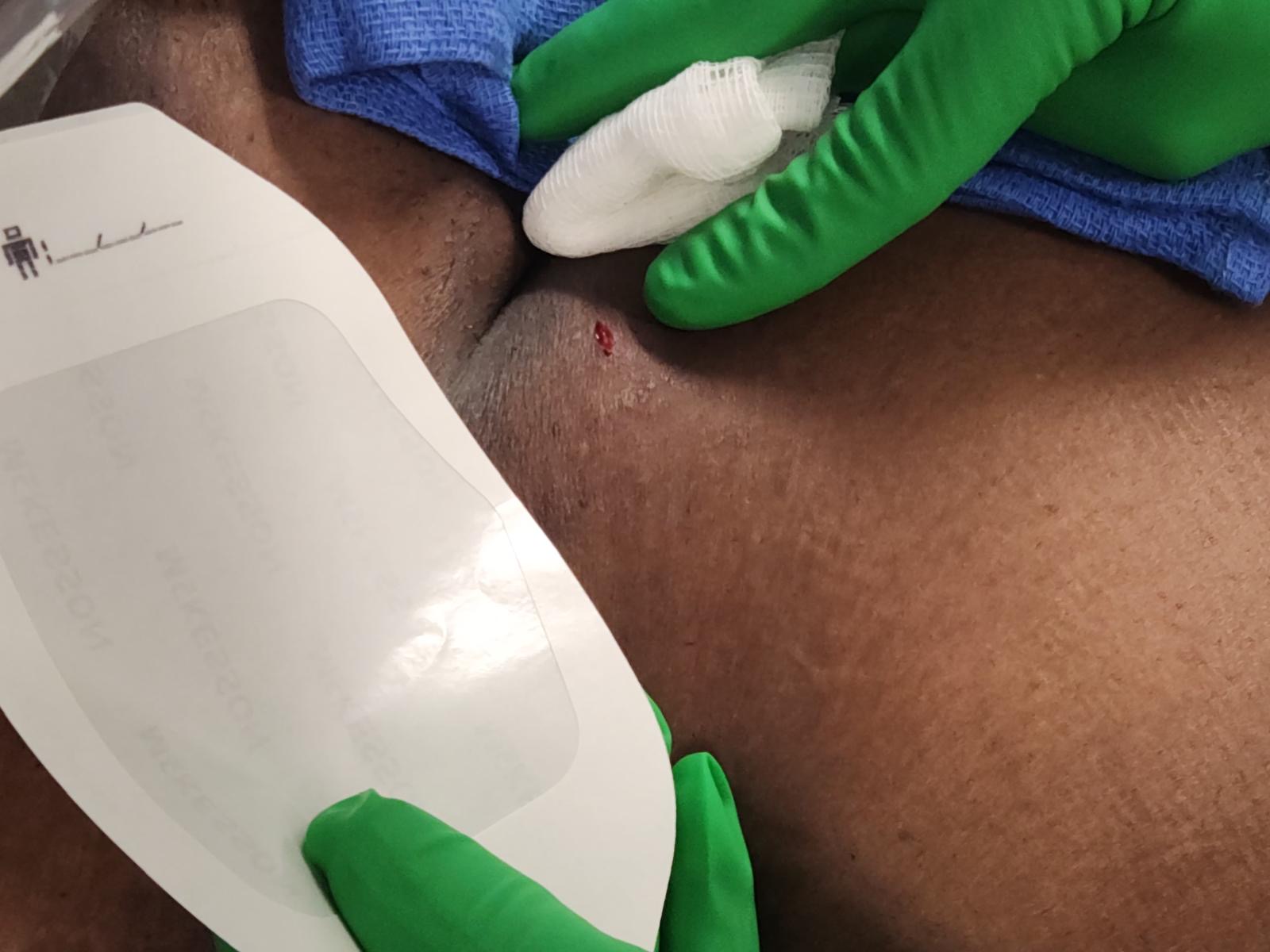
Standard UAE Incision: 2mm
Have you experienced any of the following?

Heavy or prolonged menstrual bleeding

Extended menstrual cycles

Severe menstrual cramps or pelvic pain

Increased menstrual discomfort over time

Menstrual clots

Pain assosicated with intercourse

Bloating and pressure in the lower abdomen
BOOK A CONSULTATION
Easy Diagnosis is Key to your Recovery.
How DR. HIGGINS CAN Diagnose ADENOMYOSIS
Expert Imaging Techniques for Accurate Detection
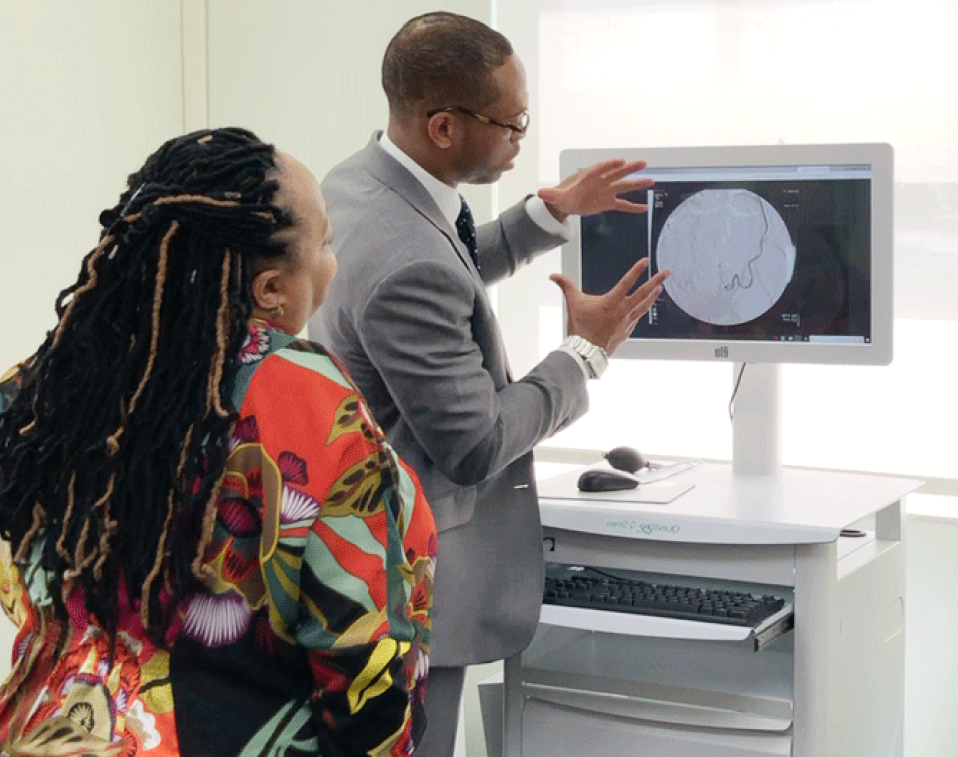
Adenomyosis can be challenging to diagnose, but Dr. Higgins employs expert imaging techniques for accurate detection.
Initially, patients may undergo a thorough pelvic examination to detect any abnormalities in the uterus that might suggest Adenomyosis. If Adenomyosis is suspected, Dr. Higgins might recommend advanced diagnostic imaging tests such as ultrasound or Magnetic Resonance Imaging (MRI).
These imaging modalities are crucial as they provide detailed images of the uterus, showing the extent of the endometrial tissue within the myometrium. This precision is vital for confirming the presence of Adenomyosis, assessing its severity, and guiding subsequent treatment strategies.
At The Bahamas Fibroid & Interventional Clinic at the Family Medicine Center in The Bahamas (Nassau, New Providence and Rock Sound, Eleuthera), Dr. Higgins offers state-of-the-art non-surgical options for managing Adenomyosis. These procedures are designed to be minimally invasive, aligning with the clinic’s philosophy of providing holistic and comprehensive care, targeting the condition effectively while enhancing overall patient well-being.
ADENOMYOSIS Treatment Options for women everywhere
Your Treatment Options
Treatment for Adenomyosis varies based on symptom severity, size and location, and reproductive considerations. Available treatments include:

MEDICATIONS
Hormonal Therapy will be used to regulate the menstrual cycle, reducing symptoms. Anti-inflammatory medications can be used to reduce pain during menstrual periods.

Minimally invasive procedures
Including Uterine Artery Embolization (UAE), which shrinks Adenomyosis by cutting off their blood supply.

Surgical options
Surgical removal of the uterus is the only definitive solution and is reserved for those patients who do not desire future pregnancies.


A NEW INNOVATIVE NON-INVASIVE TREATMENT
Uterine Artery Embolization (UAE)
Effective, Holistic Adenomyosis Treatment Options for Women everywhere.
Dr Higgins’ minimally invasive procedures utilize advanced imaging techniques to support the effective treatment of conditions such as Uterine Fibroids and Adenomyosis without the need for traditional surgery, offering patients optimal relief with minimal discomfort and recovery time.
These state-of-the-art interventions prioritize patient safety and health outcomes. Dr. Higgins brings innovative solutions to common yet challenging conditions, emphasizing a patient-centered approach that minimizes discomfort and recovery time.
Uterine Artery Embolization (UAE) can be a good option for a woman with Adenomyosis for several reasons:
- Non-surgical approach: UAE is a minimally invasive procedure that doesn’t involve surgery, reducing the risks associated with traditional surgery.
- Preserving the uterus: UAE aims to shrink the Adenomyosis by cutting off their blood supply, preserving the uterus and its functionality.
- Shorter recovery time: Compared to surgery, UAE generally has a shorter recovery period, generally one week, allowing individuals to return to their daily activities sooner.
- Reduced symptoms: UAE can help alleviate symptoms associated with Adenomyosis, such as heavy menstrual bleeding, pelvic pain, and pressure.
- Little to no scarring: Involves a tiny incision the size of a grain of rice, resulting in minimal scarring compared to surgery.
- Option for those who want to avoid hysterectomy: For individuals who wish to eliminate their Adenomyosis and preserve their uterus, UAE can be a highly desirable alternative to hysterectomy.
Your Path to Adenomyosis Treatment
PRE-PROCEDURE
PROCEDURE
-
4
Schedule UAE Procedure: If you’re a candidate for the Uterine Artery Embolization (UAE) procedure, our scheduling team will assist you in securing a suitable date and time for your treatment and will provide you with pre-procedure instructions.
-
5
Uterine Artery Embolization: Your UAE will occur at our treatment facility. You will be observed post procedure to ensure an appropriate response to your treatment. You will either be discharged the same day after 2-6 hours of monitoring or you may be discharged after 23 hours of observation, depending on the specifics of your treatment. Standard recovery at home post-treatment is typically one week, after which you may gradually return to your normal daily activities.

POST-PROCEDURE
-
6
Clinical follow-up: You will return for clinical follow-up with Dr. Higgins at one month, six months and one year post procedure to thoroughly evaluate the UAE treatment’s effectiveness and collaboratively plan and execute post-treatment optimization.
Connect with Dr Higgins online for continued support through his community. His online community includes women sharing their experiences and testimonials, offering their encouragement with others on similar journeys to healing. You’re not alone. You will receive continued strength and support through recovery and beyond.

ADENOMYOSIS MEDICAL TOURISM PROGRAM
Travel & Treat with The Bahamas Fibroid & Interventional Clinic
A 5-day or 8-day comprehensive stay in The Bahamas or Florida (United States) covering accommodation and local support. These medical tourism packages provide care from the medical procedure to post-operative recovery in a comfortable environment, ensuring a seamless and relaxing experience.
LEARN MOREDr. Mikhail Higgins: A Pioneer in UAE Treatment


Chegera Pople

Michelle Sands
Nassau, The Bahamas
“Before visiting Dr. Higgins, I suffered for over 10 years with uterine Fibroids, experiencing severe cramps, heavy bleeding, stomach pains, and anemia. After a referral and consultation, Dr. Higgins recommended Bilateral Uterine Artery Embolization—a procedure that doesn’t require surgical incisions and offers a quick two-week recovery. The procedure went smoothly, and by the second week, I was already feeling fantastic. Six months later, my energy levels soared, and my periods became notably lighter, transforming my quality of life. I am immensely grateful to Dr. Higgins and his team for their exceptional care and support. Thank you for changing my life.”

Shaniska Hanna
Nassau, The Bahamas
“Battling Fibroids since 23, I faced worsening symptoms over the years. Initially advised to undergo a hysterectomy, I sought natural remedies and later, a myomectomy, which provided temporary relief. The symptoms returned, leading me to Dr. Mikhail Higgins in Nassau for a minimally invasive procedure, despite skepticism from my gynecologist. In my forties, post-procedure, my life has transformed: no more heavy bleeding or painful periods. I advocate for this treatment, highlighting my journey to freedom.”

Rochelle Moss
Nassau, The Bahamas
“In 2023, I endured excruciating stomach pain leading to a gallbladder removal and a fibroid diagnosis. After consulting with doctors, I underwent a less invasive Uterine Fibroid Embolization by Dr. Mikhail Higgins, addressing symptoms like heavy periods and bloating. The procedure significantly improved my quality of life, including lighter periods and reduced pain. I strongly recommend this treatment for fibroid sufferers, emphasizing the importance of following post-operative instructions for optimal recovery.”

Keeshan Fowler
Nassau, The Bahamas
“In December 2022, I had a Uterine Artery Embolization by Dr. Mikhail Higgins, a compassionate expert. His care and thoroughness throughout made the experience comforting. The procedure, enhancing convenience by being local, led to significant health improvements—easier periods, less cramping, and a smaller waist. Grateful for the life-changing results, I highly recommend Dr. Higgins for Fibroid issues and aim to raise awareness to help others.”

Asia Saunders
Nassau, The Bahamas
“Facing worsening Fibroids and severe discomfort, I sought treatment to avoid scarring from traditional surgery. In The Bahamas, Dr. Higgins offered an alternative solution, providing professional, empathetic care and a virtually scarless outcome. This transformative experience from consultation to recovery led to a significant improvement in my quality of life. Dr. Higgins is highly recommended for his ability to listen, understand, and deliver outstanding clinical results.”

Tamisha Knowles
Nassau, The Bahamas
“Thank you to Dr. Higgins and the entire team. To God be all the Glory. To all the women that will read this, I just want to encourage you to call Dr. Higgins at Family Medicine Center today and book a consultation. I promise you it will change your life forever. I did not have to get a hysterectomy that would have triggered early menopause.”
READ MORE TESTIMONIALS
Get Started on Your Path to Wellness.

Understanding Adenomyosis
All you need to know about Adenomyosis
What are the long-term effects of adenomyosis on my health?
Chronic Pain: Potentially includes ongoing pelvic pain and severe menstrual cramps.
Heavy Bleeding: Can lead to anemia, causing fatigue.
Fertility Challenges: Can complicate conception efforts. Mental Health Considerations: Possibility of experiencing stress, low mood, or worry.
Surgical Risks: In severe cases, surgery may be needed, with risks like infertility.
Menopause Transition: Adenomyosis symptoms usually improve post-menopause due to declining estrogen, but hormone replacement therapy may prolong or reactivate symptoms. Managing adenomyosis with medical guidance can reduce these effects.
Can Adenomyosis lead to infertility?
Adenomyosis can impair fertility by disrupting the normal uterine environment, making implantation difficult. However, many women with adenomyosis can still conceive and have healthy successful pregnancies.
Source:
Harada T, Khine YM, Kaponis A, Nikellis T, Decavalas G, Taniguchi F. The Impact of Adenomyosis on Women’s Fertility. Obstet Gynecol Surv. 2016 Sep;71(9):557-68.
How can I manage symptoms associated with Adenomyosis?
Symptom management may include NSAIDs for inflammation and pain, hormonal treatments to reduce menstrual flow, and heat therapy. Consult a healthcare provider for a tailored approach.
Are there any lifestyle changes I can make to alleviate symptoms?
Regular exercise, a balanced diet rich in omega-3 fatty acids, and stress reduction techniques can help manage symptoms. Avoiding inflammatory foods may also be beneficial.
Source:
What are the risks and benefits of surgical versus non-surgical treatments?
There are only two effective procedural treatments for adenomyosis, namely a hysterectomy (surgical) and uterine artery embolization (nonsurgical). While a hysterectomy offers a definitive cure by removing the uterus along with the adenomyosis, it fundamentally sterilizes a woman, ending her fertility, It is also associated with scarring and protracted recovery times (~6-12 weeks). The uterine artery embolization is a minimally invasive procedure that eliminates the adenomyosis by blocking off the blood supply to the problematic ectopic endometrial tissue.
How does Adenomyosis affect menopause?
The main symptoms of adenomyosis include painful periods and heavy menstrual bleeding, which typically resolve after menopause due to the decrease in estrogen levels.
Can Adenomyosis return after treatment?
Adenomyosis does not return after a hysterectomy as the uterus is surgically removed. In the case of uterine artery embolization, recurrence can occur in up to 1 in 3 patients over time. However, studies demonstrate that over 70% of patients are typically symptom free after 3-5 years.
Source:
Ma, J et al. Long-term durability of uterine artery embolisation for treatment of symptomatic adenomyosis. Aust N Z J Obstet Gynaecol. 2021 Apr; 61:290-296.